circling the drain  ·  clinical idiom, end-of-life care fishing expedition  ·  clinical idiom, diagnostics textbook case  ·  clinical idiom, education heroic measures  ·  clinical idiom, resuscitation going downhill  ·  clinical idiom, deterioration throw everything at it  ·  clinical idiom, treatment watchful waiting  ·  clinical idiom, management train wreck  ·  clinical idiom, complex patient bounce back  ·  clinical idiom, readmission bullet-proof  ·  clinical idiom, resilient patient circling the drain  ·  clinical idiom, end-of-life care fishing expedition  ·  clinical idiom, diagnostics textbook case  ·  clinical idiom, education heroic measures  ·  clinical idiom, resuscitation going downhill  ·  clinical idiom, deterioration throw everything at it  ·  clinical idiom, treatment watchful waiting  ·  clinical idiom, management train wreck  ·  clinical idiom, complex patient bounce back  ·  clinical idiom, readmission bullet-proof  ·  clinical idiom, resilient patient

Medical Content Internationalisation

Medical language.
Globally understood.

Medical professionals communicate from their own points of reference — their country, their healthcare system, their clinical culture. Idiomatic expressions and clinical slang are a highly visible symptom of this. For those who share your references, they go unnoticed. For everyone else, they are a barrier — and the speaker is usually the last to notice.

Who this affects

International medical graduates Navigating an unfamiliar clinical culture and language
Experienced specialists Presenting to global audiences at conferences and in online courses
Clinicians new to a setting Encountering unfamiliar clinical language and expressions
Content developers Adapting clinical materials across languages and cultures
Patients worldwide Receiving care in a language not their own

Every medical professional speaks from their own point of reference

National identity and language, clinical culture, healthcare system, economic context, technology — these shape how medical professionals communicate. For those who share these references, they are invisible. For those who do not, they create distance.

The problem surfaces in every direction. An international medical graduate navigating a new clinical environment. A clinician new to a setting encountering unfamiliar language and expressions. An experienced specialist presenting to a global audience at a conference or in an online course — and not realising that language which feels universal is, in fact, deeply local.

IdiomsMD was born from exactly that last experience. While designing multi-module global online courses for one of the world's largest networks of medical specialists — with key opinion leaders in clinical specialties teaching 100+ participants from every region of the world — a pattern became impossible to ignore. The instructors' language, references, and idioms consistently failed to reach a significant portion of the room. The content was excellent. The delivery was expert. The language was not universal.

Medical idioms and clinical slang are the most concrete and visible symptom of a wider problem: the misalignment between the content medical professionals create and the global audiences they increasingly serve — in conferences, online courses, written materials, and clinical settings.

Once you see it — in others and in your own content — you cannot unsee it. And you will want to fix it. IdiomsMD exists to help you see it, and then to do something about it.

Who this affects

🎓
International medical graduates
Navigating an unfamiliar clinical culture and language with no structured support
🎤
Experienced specialists
Presenting to global audiences at conferences and online courses, unaware their language is not landing
🏨
Clinicians new to a setting
Encountering unfamiliar clinical language and expressions in their new environment
📄
Content developers
Adapting clinical materials across languages and cultures where idioms routinely lose their meaning
🏥
Patients worldwide
Receiving care in a language that is not their own

A curriculum for medical content internationalisation

IdiomsMD is developing a systematic curriculum that addresses clinical idioms, terminology, register, and cultural framing across medical specialties.

Published
Internal Medicine
Clinical Idioms Guide & Course
A structured guide to the idiomatic expressions most commonly encountered in internal medicine — with clinical context, usage examples, and learning activities.
In production
Emergency Medicine
Clinical Idioms Guide & Course
The second module in the series — addressing the fast-paced, high-stakes idiomatic language of emergency medicine settings.
Coming soon
Notify me →
In development
Full Curriculum
Medical Content Internationalisation
A multi-specialty curriculum addressing the full spectrum of medical content adaptation: idioms, terminology, register, cultural framing, and translation quality.

Built for those who recognise this gap

IdiomsMD serves anyone who works at the intersection of medical knowledge and global communication.

Programme directors
Supporting international medical graduates adapting to clinical English and unfamiliar communication norms
Medical educators
Developing curriculum and content for globally diverse learner populations
Healthcare institutions
With multilingual staff, patient populations, or a mandate for globally accessible clinical communication
Conference organisers
And continuing medical education providers serving international audiences

Recognise this gap in your institution or programme?

Let's talk →
"Medical idioms are the tip of the iceberg. The deeper challenge is making medical knowledge work everywhere."

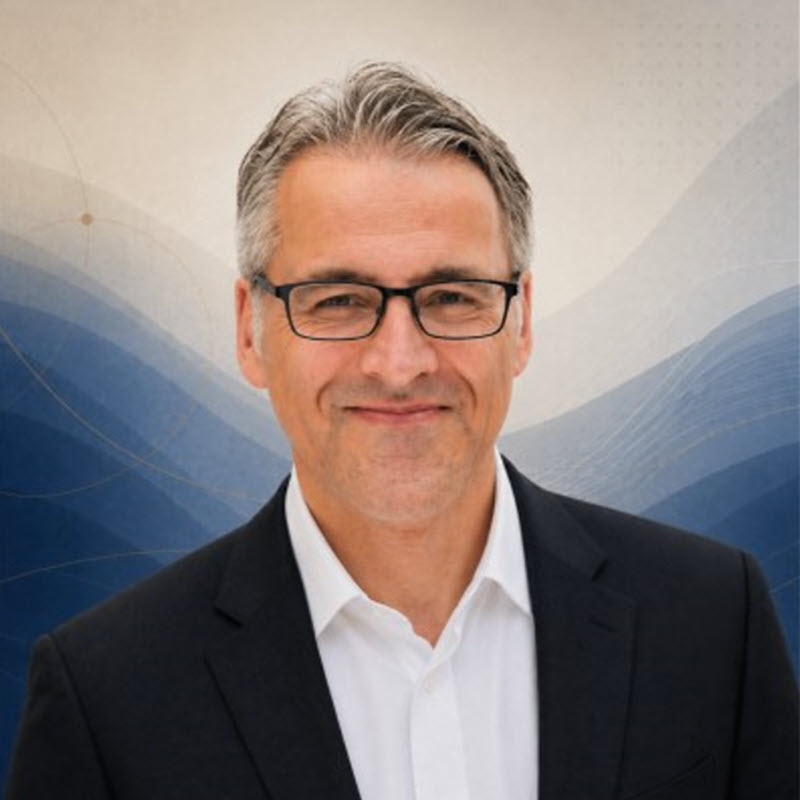
IdiomsMD was founded by Russell Jones, a Curriculum Designer/Developer with experience in Medical Content Internationalization.

The project began with a straightforward observation: the language of clinical medicine is filled with idiomatic expressions that native speakers deploy effortlessly — and that everyone else must navigate without a map.

The Internal Medicine Idioms guide and course are the first step in a broader curriculum designed to make medical communication work across languages, cultures, and clinical contexts.

LinkedIn → Get in touch
Russell Jones